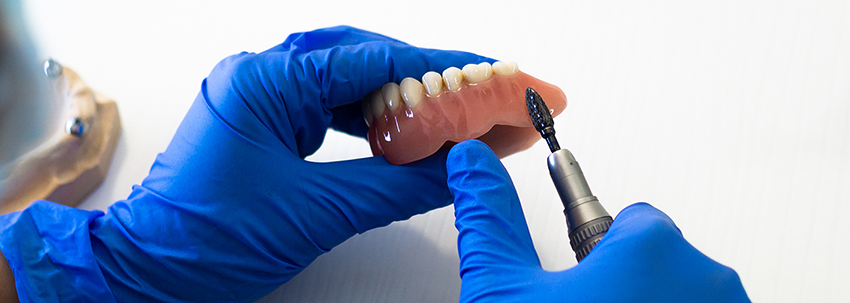
Removable dental appliances are prosthetic devices designed to replace missing teeth or provide dental support. These appliances can be fabricated with or without metal frameworks, depending on the specific needs of the patient. Here’s a detailed look at the options:
1. Removable Dental Appliances with Metal Frameworks
What Are They?
Removable dental appliances with metal frameworks are commonly used in partial dentures. The metal framework provides strength and stability, ensuring the denture fits securely and functions effectively.
Types of Removable Appliances with Metal Frameworks:
Partial Dentures: These are designed for patients missing some, but not all, of their teeth. The metal framework supports the acrylic teeth and gums, attaching to the natural teeth using clasps or precision attachments.
Cast Metal Partial Dentures: The most traditional type, these dentures are made with a cobalt-chromium metal framework that is both strong and lightweight. The metal framework is covered by acrylic, which mimics the gums, and supports the artificial teeth.
Advantages of Metal Frameworks:
Durability: Metal frameworks are highly durable, offering long-lasting support for the denture.
Stability: The metal provides a rigid structure that enhances the appliance’s stability and fit.
Thinner Design: Metal frameworks can be designed thinner than their all-acrylic counterparts, making them more comfortable to wear.
Customization: Metal frameworks can be precisely customized to fit around remaining natural teeth, offering a more secure and comfortable fit.
Considerations:
Aesthetic Concerns: The metal clasps used to secure the denture may be visible when the patient smiles, which can be a concern for some.
Cost: Appliances with metal frameworks tend to be more expensive due to the materials and fabrication process.
2. Removable Dental Appliances without Metal Frameworks
What Are They?
Removable dental appliances without metal frameworks typically consist entirely of acrylic or flexible resin. These are often used when aesthetics are a priority, or in cases where patients have allergies or sensitivities to metals.
Types of Removable Appliances without Metal Frameworks:
Acrylic Partial Dentures: These dentures are made entirely from acrylic resin, which mimics the appearance of natural gums and teeth. They are a more economical option, often used as temporary solutions.
Flexible Dentures: Made from flexible, nylon-based materials, these dentures do not require metal clasps. They adapt to the shape of the gums, providing a snug fit without the need for rigid metal frameworks. Valplast is a popular brand of flexible dentures.
Complete Dentures: Used when all teeth are missing, complete dentures can also be made without metal, relying entirely on acrylic for support and aesthetics.
Advantages of Non-Metal Frameworks:
Aesthetics: Without visible metal clasps, these appliances offer a more natural and discreet appearance.
Flexibility: Flexible dentures are more comfortable for some patients as they adapt better to the movements of the mouth.
Biocompatibility: Non-metal dentures are an excellent option for patients who are allergic to metals or who prefer metal-free prosthetics.
Considerations:
Durability: Acrylic and flexible dentures are generally less durable than those with metal frameworks and may require more frequent replacement.
Stability: Without the rigidity of metal, these appliances might feel less stable, particularly in the case of large partial dentures.
Thickness: All-acrylic dentures can be thicker than metal-based options, which might cause some discomfort or difficulty in speaking and eating.
Conclusion
Removable dental appliances with and without metal frameworks offer versatile solutions for patients needing dental prosthetics. Metal frameworks provide durability and stability, making them ideal for long-term use, while non-metal options prioritize aesthetics and comfort, often being preferred for their natural appearance and flexibility. The choice between the two will depend on the patient’s specific needs, preferences, and oral health condition.